

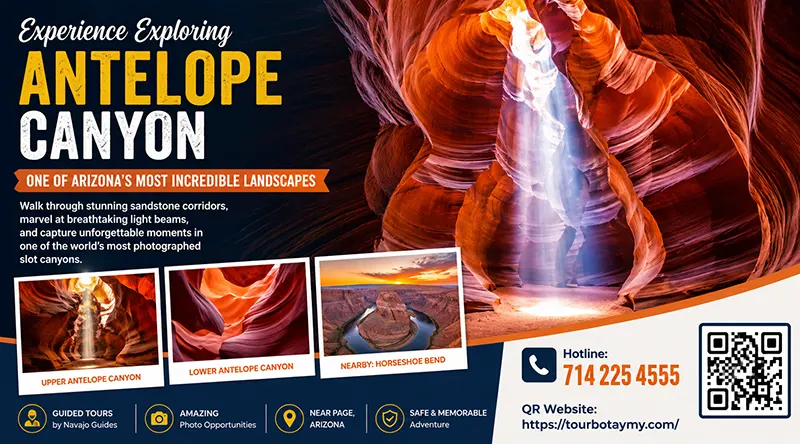
Antelope Canyon is one of the most extraordinary natural attractions in the American Southwest. Hidden beneath the red-rock landscape of northern Arizona, this spectacular slot canyon is famous for its flowing sandstone walls, dramatic light beams, narrow passageways, and unforgettable colors.
Exploring Antelope Canyon is more than simply visiting a scenic attraction. Walking through the canyon feels like entering another world, where wind and water have shaped sandstone into smooth curves, spiraling formations, and wave-like walls over thousands of years.
Whether you are planning your first trip to Arizona, looking for the best places to photograph in the Southwest, or building an itinerary around Page and Lake Powell, an Antelope Canyon experience is well worth adding to your travel plans.
What Makes Antelope Canyon So Special?
Antelope Canyon is a slot canyon formed primarily through the erosion of Navajo Sandstone. Over time, flash floods and flowing water carved narrow channels through the rock, creating the distinctive smooth walls and sculpted formations visitors see today.
Unlike many large canyons, Antelope Canyon is intimate and enclosed. Instead of standing above a vast landscape and looking down, visitors walk directly between towering sandstone walls.
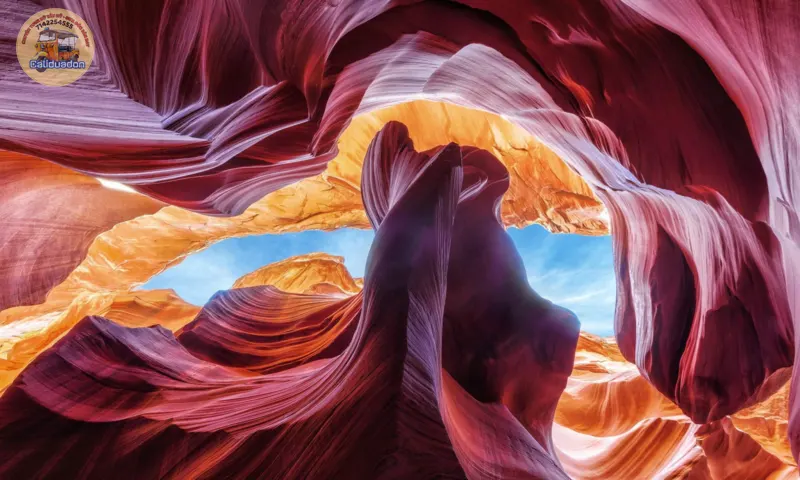
As sunlight enters through openings in the canyon, the colors and textures constantly change. Depending on the time of day, the sandstone can appear orange, red, pink, gold, purple, or even deep brown.
This combination of geology, light, and natural architecture makes Antelope Canyon one of the most photographed landscapes in Arizona.
Where Is Antelope Canyon?
Antelope Canyon is located near Page, Arizona, in the American Southwest, on Navajo Nation land.
The canyon is close to several other major attractions, including:
- Lake Powell
- Horseshoe Bend
- Glen Canyon Dam
- Vermilion Cliffs National Monument
- Grand Canyon National Park
Its location makes Page an excellent base for exploring northern Arizona.
Many travelers combine an Antelope Canyon tour with Horseshoe Bend on the same day. The two attractions are relatively close to one another, allowing visitors to experience two very different examples of the Southwest’s landscape.
Upper Antelope Canyon vs. Lower Antelope Canyon
One of the most important decisions when planning an Antelope Canyon visit is choosing between Upper Antelope Canyon and Lower Antelope Canyon.
Although both sections are part of the same remarkable canyon system, the experiences are different.
Upper Antelope Canyon
Upper Antelope Canyon is perhaps the most famous section.
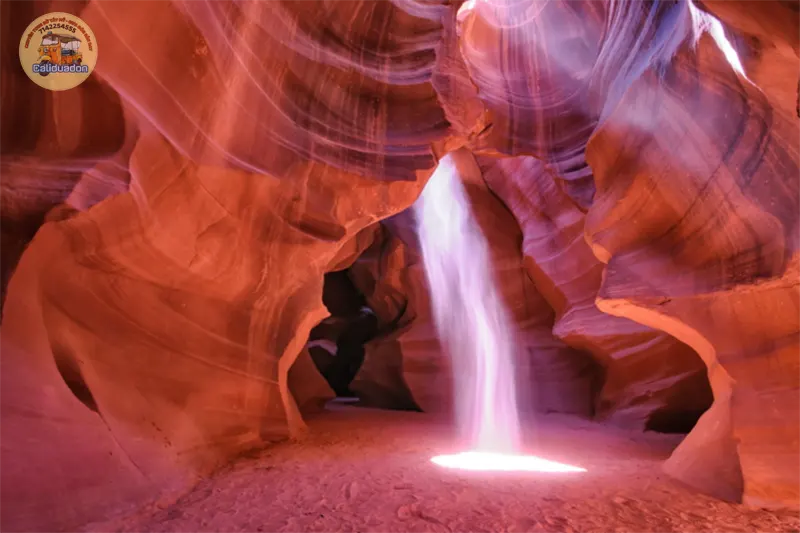
It is known for its tall, flowing sandstone walls and the famous shafts of sunlight that can appear inside the canyon during certain times of the year.
The canyon floor is generally more level than Lower Antelope Canyon, making the walking experience relatively straightforward.
Upper Antelope Canyon is particularly popular with photographers because of its dramatic light effects.
During the right conditions, sunlight enters through openings above the canyon and creates visible beams against the sandstone walls. These moments can be spectacular, but they are also dependent on the season, weather, and position of the sun.
Lower Antelope Canyon
Lower Antelope Canyon offers a more adventurous experience.
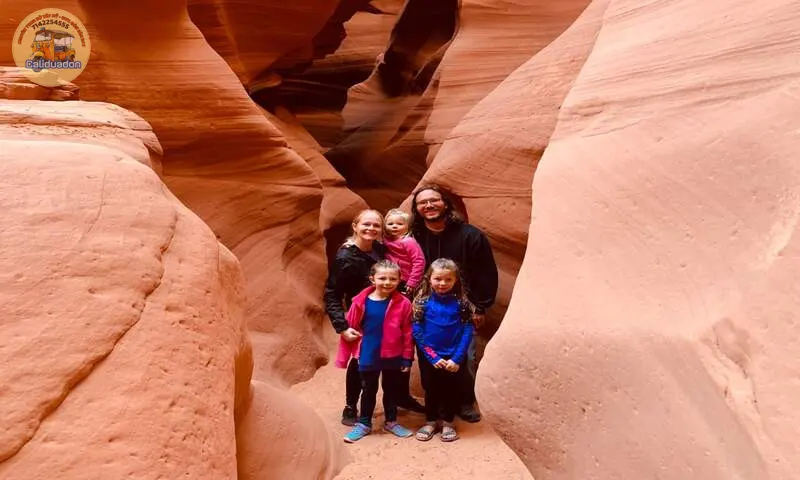
The passageways can be narrower, and visitors navigate stairs, ladders, and uneven sections as they move through the canyon.
Instead of focusing primarily on dramatic light beams, Lower Antelope Canyon is known for its intricate rock formations, winding corridors, and changing perspectives.
For travelers who enjoy walking, exploring, and seeing unusual geological formations, Lower Antelope Canyon can be an excellent choice.
Which Antelope Canyon Should You Visit?
There is no universal answer.
Choose Upper Antelope Canyon if you are especially interested in:
- Famous light beams
- Photography
- Easier walking
- Tall sandstone formations
- A classic Antelope Canyon experience
Choose Lower Antelope Canyon if you prefer:
- A more active adventure
- Narrow passageways
- Stairs and ladders
- Detailed rock formations
- A more exploratory atmosphere
If your schedule allows, experiencing both can provide a more complete understanding of Antelope Canyon.
The Experience of Walking Through Antelope Canyon
The most memorable part of visiting Antelope Canyon is the moment you enter the narrow sandstone passage.
At first, the canyon may appear relatively dark. As your eyes adjust, the details of the rock begin to emerge.
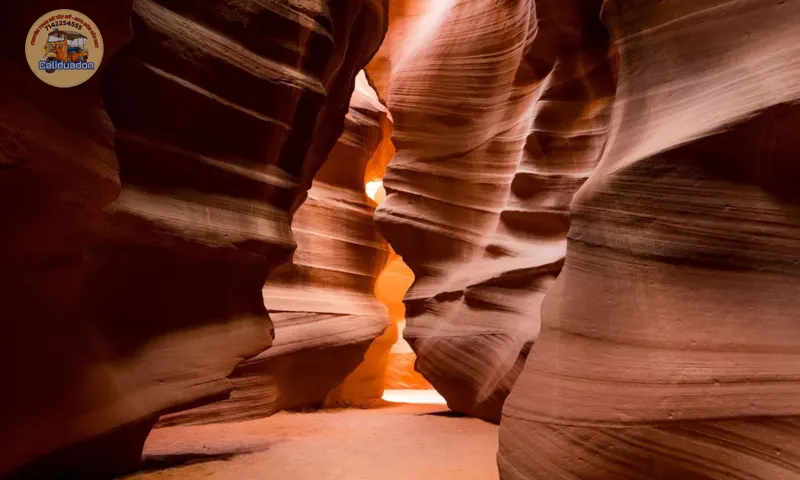
The walls curve inward and outward like frozen waves. Some sections look almost fluid, as though the sandstone were sculpted by hand. Other formations resemble flames, flowing fabric, or ocean waves.
As you continue walking, the appearance of the canyon changes with every turn.
A wall that looks orange from one direction may appear pink or purple from another. A narrow opening above may allow a shaft of sunlight to illuminate the sandstone for only a short period.
This constantly changing environment is what makes the Antelope Canyon experience so captivating.
The Famous Antelope Canyon Light Beams
The light beams of Upper Antelope Canyon are among the most recognizable images associated with Arizona.
When sunlight enters the canyon through openings in the sandstone above, it can create visible columns of light. Fine particles of sand in the air make these beams particularly dramatic.
However, it is important to understand that light beams are not guaranteed.
They depend on several factors, including:
- Time of day
- Season
- Weather conditions
- Position of the sun
- Canyon conditions
- Tour timing
Travelers should therefore visit for the canyon itself rather than treating the light beam as a guaranteed event.
Even without a dramatic sunbeam, the sandstone formations remain spectacular.
Best Time to Visit Antelope Canyon
The best time to visit Antelope Canyon depends on what you want from your trip.
Spring and summer are popular because of longer daylight hours and favorable conditions for seeing sunlight inside the canyon.
Summer is especially popular among photographers interested in the possibility of light beams.
However, summer can also be the busiest period.
Fall can provide a quieter alternative, while winter may offer a different atmosphere and fewer visitors.
If photography is your priority, researching the expected position of the sun and booking an appropriate tour time can make a significant difference.
How Long Does an Antelope Canyon Tour Take?
An Antelope Canyon visit typically involves a guided tour rather than independent exploration.
The exact duration depends on the tour operator, canyon section, transportation arrangements, and type of experience you book.
It is a good idea to allow additional time beyond the advertised tour duration for check-in, transportation, parking, and potential delays.
If you are planning a full day around Page, consider combining your Antelope Canyon tour with another nearby attraction such as Horseshoe Bend.
Why You Need a Guided Tour
Antelope Canyon is located on Navajo Nation land, and visitors cannot simply walk into the canyon independently.
Access is controlled through authorized guided tours.
A guide does more than lead visitors through the canyon. Guides can explain the geological history, cultural significance, and unique formations while helping visitors navigate the narrow passageways.
Experienced guides may also point out shapes and patterns in the sandstone that visitors might otherwise overlook.
For photographers, guides can sometimes suggest particularly interesting viewpoints and explain how light interacts with the canyon walls.
Photography Tips for Antelope Canyon
Antelope Canyon is a dream destination for photographers, but photographing inside a narrow slot canyon can be challenging.
Here are several practical tips.
Bring a Wide-Angle Lens
A wide-angle lens can help capture the height and curves of the sandstone walls.
Because the canyon is narrow, you may have limited space to step backward. A wider field of view allows you to include more of the surrounding formations.
Watch Your Camera Settings
The canyon can contain a wide range of brightness levels, from dark shadows to intense sunlight.
Experimenting with exposure can help preserve detail in both the sandstone and darker areas.
Avoid Relying Entirely on Your Smartphone
Modern smartphones can produce impressive photographs, especially in challenging lighting.
However, travelers using dedicated cameras can benefit from greater control over exposure, lenses, and image processing.
That said, some of the best Antelope Canyon photographs are often created by simply paying attention to composition and light rather than using complicated equipment.
Look Up and Down
Don’t photograph only the walls directly in front of you.
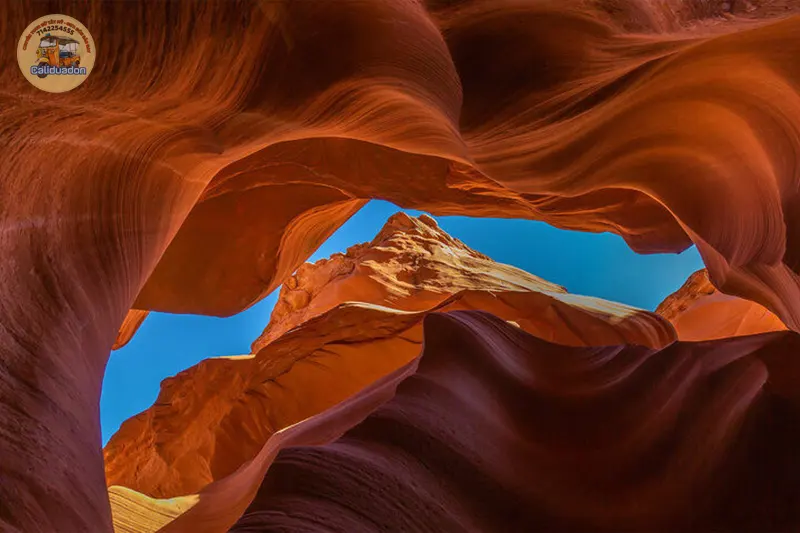
Look upward to capture the openings in the canyon and the changing light. Also look downward, where the curves and shadows can create interesting abstract patterns.
Be Patient
The canyon changes constantly as people move, sunlight shifts, and shadows travel across the sandstone.
Sometimes waiting a few seconds can produce a completely different photograph.
The Geology Behind Antelope Canyon
The beauty of Antelope Canyon is closely connected to its geology.
The canyon was carved into Navajo Sandstone, a rock formation created from ancient sand dunes.
Over immense periods of time, water moved through the landscape and gradually eroded weaknesses in the sandstone.
Flash floods are particularly important in the formation of slot canyons. Water can rapidly move through narrow channels, carrying sand and sediment that gradually wears away the rock.
The result is the smooth, sculptural architecture visible today.
The flowing shapes inside Antelope Canyon are therefore not the result of human construction. They are the product of natural forces working over enormous periods of time.
Antelope Canyon and Navajo Culture
Antelope Canyon is located within the Navajo Nation, and the landscape has cultural importance beyond its visual beauty.
The canyon is traditionally known as Tsé bighánílíní, commonly translated as a place where water runs through rocks.
Visiting with a local guide provides an opportunity to learn more about the area’s Navajo heritage and the relationship between the landscape and the people who have lived in the region for generations.
For many visitors, understanding this cultural context makes the experience more meaningful.
Antelope Canyon is not simply a photographic location. It is part of a living landscape with geological, cultural, and historical significance.
What to Bring to Antelope Canyon
Because conditions inside the canyon can differ from the surrounding desert, packing thoughtfully is important.
Consider bringing:
- Comfortable walking shoes
- Water
- Sunglasses
- Sun protection
- A camera or smartphone
- Extra batteries or a portable charger
- A small amount of personal gear
Travelers should also check the specific rules of their tour operator before arriving.
Some tours restrict the size and type of bags that can be taken into the canyon, so it is better to travel light.
What Not to Do in Antelope Canyon
A responsible visit helps protect the canyon for future generations.
Visitors should:
- Follow the instructions of their guide
- Stay with their tour group
- Avoid climbing on sandstone formations
- Never carve or scratch the rock
- Avoid leaving trash behind
- Respect photography guidelines
- Follow Navajo Nation rules
The sandstone formations are fragile. Even seemingly minor damage can permanently affect geological features that took thousands of years to develop.
Antelope Canyon and Horseshoe Bend: A Perfect Combination
One of the best ways to build an itinerary around Antelope Canyon is to combine it with Horseshoe Bend.
Horseshoe Bend offers a completely different perspective of the Colorado River.
While Antelope Canyon takes visitors into a narrow underground-like world of sandstone curves, Horseshoe Bend opens up into a massive panoramic landscape.
Together, they demonstrate two contrasting sides of the geology of northern Arizona.
A typical itinerary might begin with an Antelope Canyon tour, followed by lunch in Page and an afternoon or sunset visit to Horseshoe Bend.
If you have more time, you can also explore Lake Powell, Glen Canyon Dam, or other attractions around Page.
Planning a Trip to Antelope Canyon
Before traveling, it is worth planning several important details.
Book in Advance
Antelope Canyon is extremely popular, especially during peak travel seasons.
Because access is organized through guided tours, availability can be limited.
Booking ahead is recommended rather than arriving in Page and expecting to find a tour at the last minute.
Choose Your Tour Carefully
Compare the different tour options before booking.
Consider:
- Upper vs. Lower Antelope Canyon
- Tour duration
- Photography opportunities
- Group size
- Transportation
- Departure location
- Cancellation policies
- Visitor requirements
Check the Weather
The weather around northern Arizona can change quickly.
Because slot canyons can be affected by flash flooding, tour operators monitor conditions carefully.
Always follow safety instructions and respect tour cancellations or schedule changes.
How to Get to Antelope Canyon
The closest major gateway is Page, Arizona.
Many visitors arrive by car as part of a Southwest road trip.
Popular road-trip combinations include:
Las Vegas → Grand Canyon → Page → Monument Valley → Utah
or
Phoenix → Sedona → Grand Canyon → Page → Zion National Park
Driving through the Southwest can be an important part of the experience itself. The scenery changes dramatically as you move between desert plateaus, red-rock formations, canyons, and mountain landscapes.
Where to Stay Near Antelope Canyon
Page is the most convenient place to stay for travelers visiting Antelope Canyon.
The town offers hotels, restaurants, fuel stations, and other basic travel services.
Staying overnight in Page can also make your itinerary less rushed.
Instead of trying to visit Antelope Canyon and immediately drive several hours to another destination, spending a night in the area gives you more flexibility.
It can also allow you to combine Antelope Canyon with Horseshoe Bend and Lake Powell.
A Sample Antelope Canyon Itinerary
One-Day Page Itinerary
Morning:
Start with an Antelope Canyon guided tour.
Late morning:
Have lunch in Page and take some time to relax.
Afternoon:
Visit Horseshoe Bend.
Late afternoon:
Explore Glen Canyon Dam or Lake Powell.
Evening:
Enjoy dinner in Page.
Two-Day Experience
With two days, you can slow down and explore more.
Day 1: Antelope Canyon and Horseshoe Bend
Day 2: Lake Powell, Glen Canyon Dam, and surrounding viewpoints
A longer stay is particularly useful for photographers and travelers who prefer not to rush between attractions.
Is Antelope Canyon Worth Visiting?
For most travelers, absolutely.
Antelope Canyon offers a type of landscape that is difficult to find elsewhere.
The narrow sandstone corridors, flowing formations, changing colors, and natural light create an experience that feels almost surreal.
Even travelers who have seen countless photographs of Antelope Canyon often find that the real experience is different.
Photographs show individual moments, but walking through the canyon allows you to experience the scale, texture, temperature, shadows, and changing perspective of the environment.
That is what makes the journey memorable.
Tips for Making Your Antelope Canyon Experience Better
To get the most from your visit, consider these simple recommendations:
Book early. Popular tour times can sell out.
Choose the right canyon. Think about whether you prioritize photography, easy walking, or adventure.
Arrive early. Give yourself enough time for check-in and transportation.
Travel light. Narrow passageways make bulky bags inconvenient.
Listen to your guide. You may learn details about formations and the landscape that you would otherwise miss.
Don’t rush your photographs. Look for patterns, curves, shadows, and textures.
Respect the environment. The canyon is fragile and deserves careful treatment.
Leave room in your itinerary. Page has many attractions beyond Antelope Canyon.
Frequently Asked Questions About Antelope Canyon
Can you visit Antelope Canyon without a tour?
No. Access to Antelope Canyon is managed through authorized guided tours, so visitors should arrange a tour before arriving.
Is Upper or Lower Antelope Canyon better?
Neither is universally better. Upper Antelope Canyon is particularly famous for its light beams and relatively straightforward walking, while Lower Antelope Canyon offers a more active experience with stairs, ladders, and narrow passages.
What is the best time to visit Antelope Canyon?
The ideal time depends on your priorities. Travelers interested in photography and light beams often consider periods around midday during the brighter months, but conditions vary and light beams are never guaranteed.

How far is Antelope Canyon from Horseshoe Bend?
Both attractions are located near Page, Arizona, making it practical to visit them during the same day.
Is Antelope Canyon suitable for children?
Suitability depends on the specific canyon and tour. Upper Antelope Canyon generally involves easier walking, while Lower Antelope Canyon requires navigating stairs and ladders. Families should check current tour requirements before booking.
Can you take photos inside Antelope Canyon?
Photography is generally possible, but rules can vary by tour operator. Visitors should follow the instructions provided by their guide.
How long should I stay in Page?
A one-night stay can work for a quick visit, but two or more days provide more time to experience Antelope Canyon, Horseshoe Bend, Lake Powell, Glen Canyon Dam, and other nearby attractions.
Final Thoughts: Experiencing the Magic of Antelope Canyon
Exploring Antelope Canyon is an experience that combines natural beauty, geology, photography, culture, and adventure.
Walking between the towering sandstone walls, watching sunlight move across the rock, and discovering new shapes around every corner makes the canyon feel almost otherworldly.
Whether you are an experienced photographer or simply someone who loves discovering remarkable places, Antelope Canyon deserves a place on your Arizona travel itinerary.
The best way to appreciate it is to slow down, look closely at the sandstone, listen to your guide, and allow yourself to experience the canyon beyond the photographs.
Antelope Canyon may be famous because of its pictures, but it is memorable because of the experience of actually being there.